
The Return of History: Continental Agency and the Collapse of the Unipolar Order

Introduction: The Crumbling of the Old Order
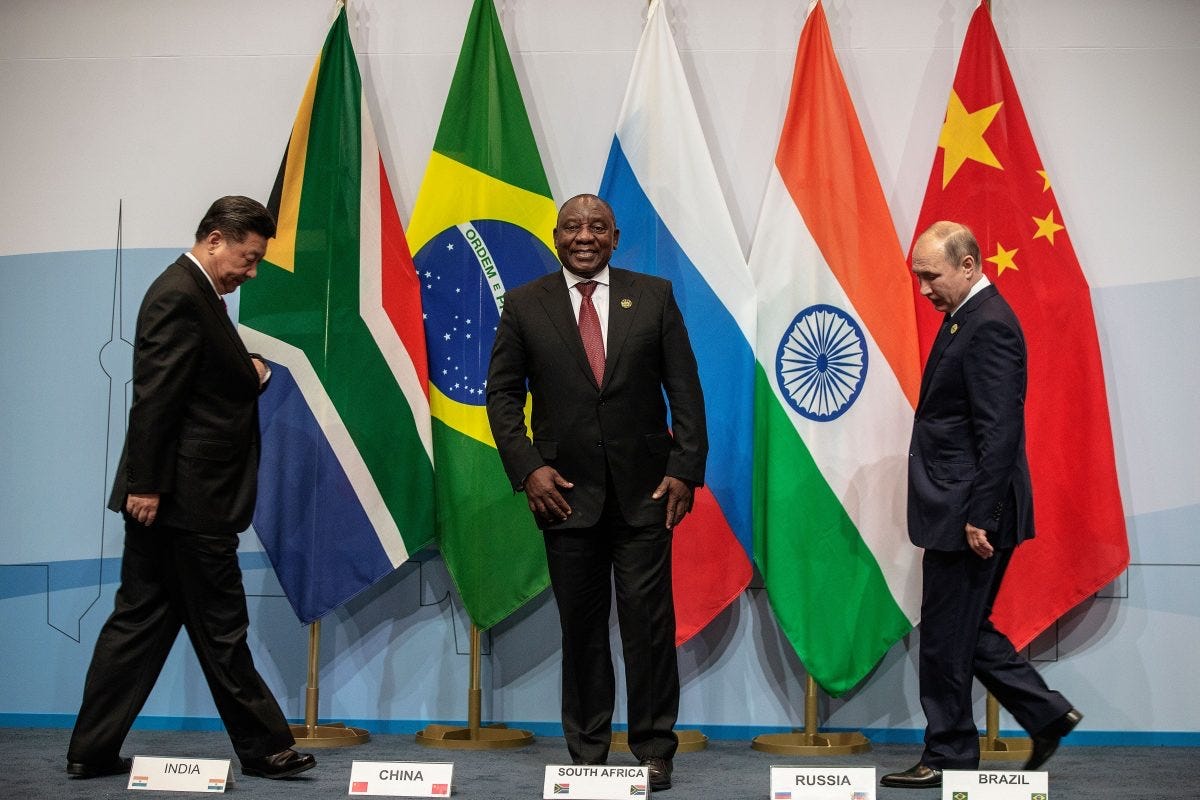
The twentieth century ended with the illusion of permanence. The fall of the Soviet Union seemed to consecrate an era of unipolar hegemony, where Washington reigned supreme, where the dollar ruled unchallenged, and where NATO’s wars were sold as humanitarian crusades. Yet a generation later, the edifice has cracked. From Kabul to Kiev, from Caracas to Kinshasa, the unipolar order has been bled of its credibility. The twenty-first century did not bring the “end of history” but the return of history, raw and unmerciful. What emerges in its place is not a stable multipolar balance but a chaotic mutation, a meta-imperial order where empires survive by transformation, where sovereignty collides with dependency, and where the future of continents is forged in the battle between resistance and recolonization.
Africa’s Geopolitical Awakening: Central Africa as the Axis of the Future
Africa, long dismissed as the world’s periphery, is in fact the decisive arena of the future. Its soil holds sixty percent of the planet’s remaining arable land, cobalt for electric batteries, uranium for reactors, and rare earths for the technologies of tomorrow. Its population, already over 1.4 billion, will double within decades, shaping migration, labor, and markets on a global scale. Whoever secures Africa, secures the century.
The heart of this struggle lies not on the coasts, but in Central Africa. The Democratic Republic of Congo (DRC) is the unspoken empire of resources. Its cobalt mines feed the electric car revolution. Chinese companies, through both state-owned giants and private partnerships, dominate much of this extraction, building infrastructure in exchange for mineral rights. In Kolwezi, Chinese firms run vast concessions that fuel the global battery supply chain. Russia, too, has made inroads, with Wagner forces securing mining sites in the Central African Republic (CAR) and protecting the government in Bangui from insurgents. In exchange, Moscow gains access to gold and diamond concessions, but more importantly, strategic leverage in the Sahel and a political foothold in Central Africa.
These interventions transform Africa’s decision-making at the continental level. The African Union, once dominated by French-speaking elites beholden to Paris, now faces pressure from regimes emboldened by Chinese finance and Russian arms. When Mali, Burkina Faso, and Niger expelled French troops, they found support not in Brussels but in Moscow and Beijing. The CAR, once a forgotten colony, now speaks in defense of Russian presence at international forums. Angola, a former Cold War battlefield, negotiates oil and defense contracts with both Washington and Beijing, playing powers against one another. The axis of Central Africa stretching from Kinshasa to Bangui to Juba is no longer marginal; it shapes how Africa positions itself between East and West.
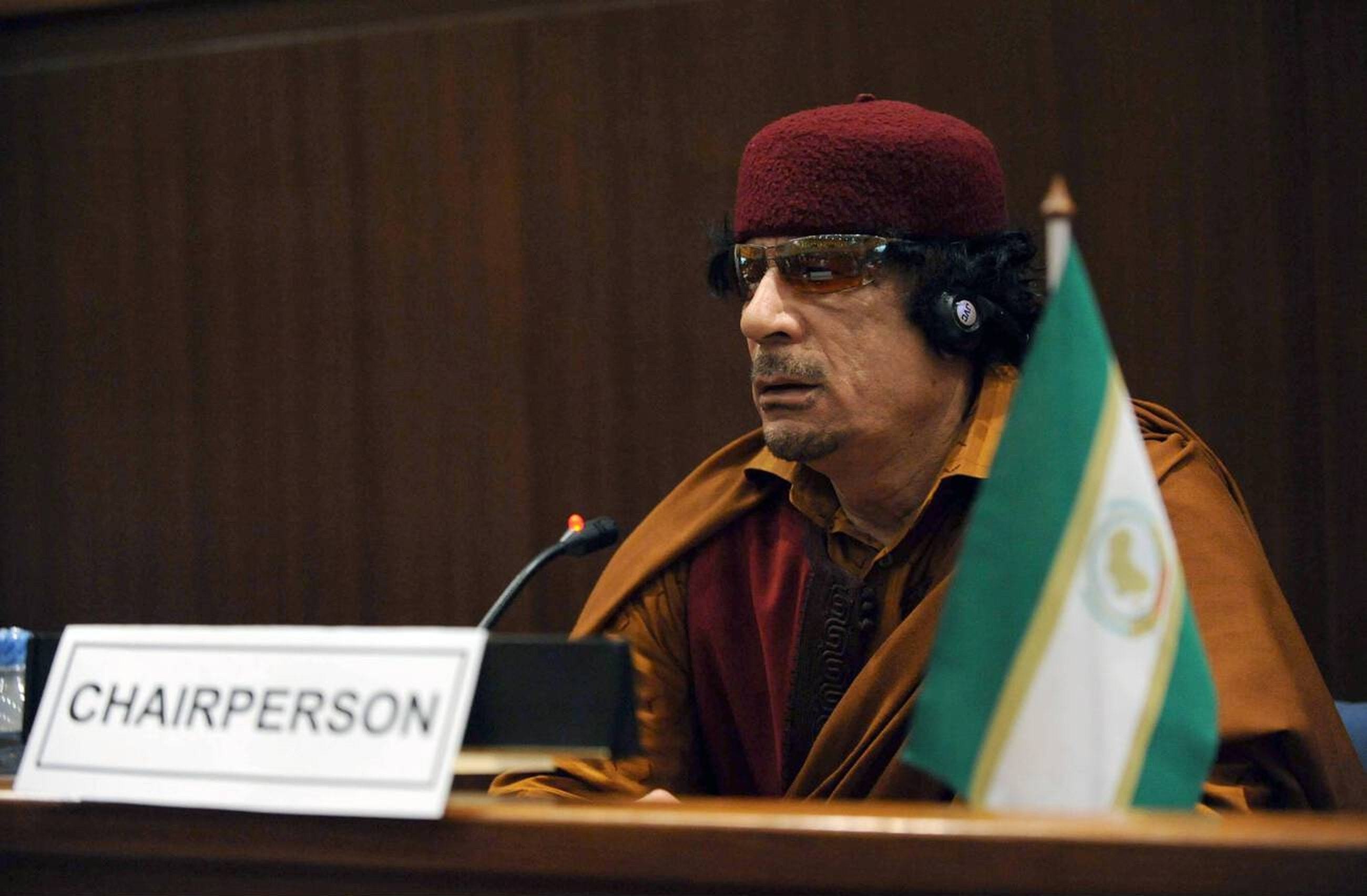
This is the essence of Africa’s awakening: sovereignty not yet achieved, but contested. The assassination of Gaddafi proved that any African project of independence will face Western sabotage. Yet the return of Central Africa to the world stage shows that the continent is no longer a passive object. It is an arena where Chinese railways, Russian contractors, Gulf investments, and Western sanctions converge. The question for Africa is whether it can transcend being a prize and become a pole of power in its own right.
Latin America in the Shadow of the Monroe Doctrine
If Africa represents the promise of awakening, Latin America embodies the persistence of resistance. The Monroe Doctrine still casts its shadow, reminding the continent that Washington views it as a backyard. Yet the cracks are visible.
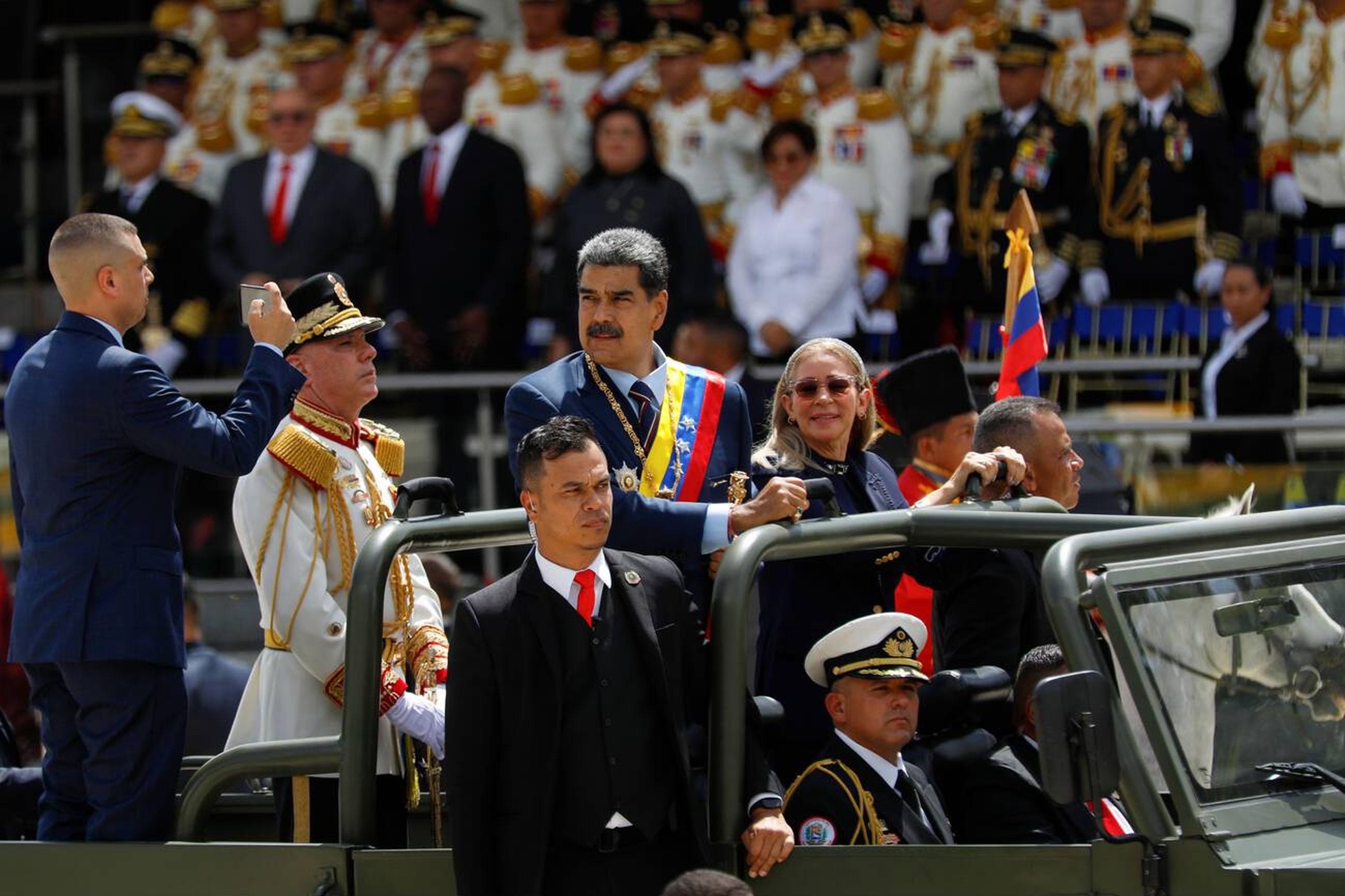
Venezuela stands at the center of this defiance. With the largest proven oil reserves in the world, it has become the anchor of a Latin American axis resisting recolonization. Despite sanctions that collapsed its economy, despite coup attempts and assassination plots, Caracas survives. It does so because it is no longer alone. China’s loans and oil purchases give it breathing room, while Russian military advisors and weapons strengthen its defenses. Iran, too, has quietly sent fuel tankers to Venezuelan ports, defying U.S. blockades. In this way, Venezuela represents not only sovereignty but solidarity: the proof that small states can endure when backed by rival empires.
Elsewhere, Brazil under Lula da Silva navigates carefully between Washington and Beijing. It seeks U.S. technology but relies heavily on Chinese trade, especially in soy and minerals. In Nicaragua, Daniel Ortega’s regime continues to withstand U.S. pressure, maintaining ties with Russia and China. Each case demonstrates the same trend: Latin America is no longer fully captive to the Monroe Doctrine, even if it remains vulnerable.
Yet this resistance is fragile. Washington has begun to reassert itself, particularly in the Caribbean and Central America, where migration crises provide leverage for intervention. The contest is not over. But the presence of China and Russia in Venezuela, in Cuba, in Argentina however limited creates a new calculus. Latin America is not simply a U.S. backyard anymore; it is a frontline of multipolar contestation.
China and the Pacific Oceans of Tomorrow
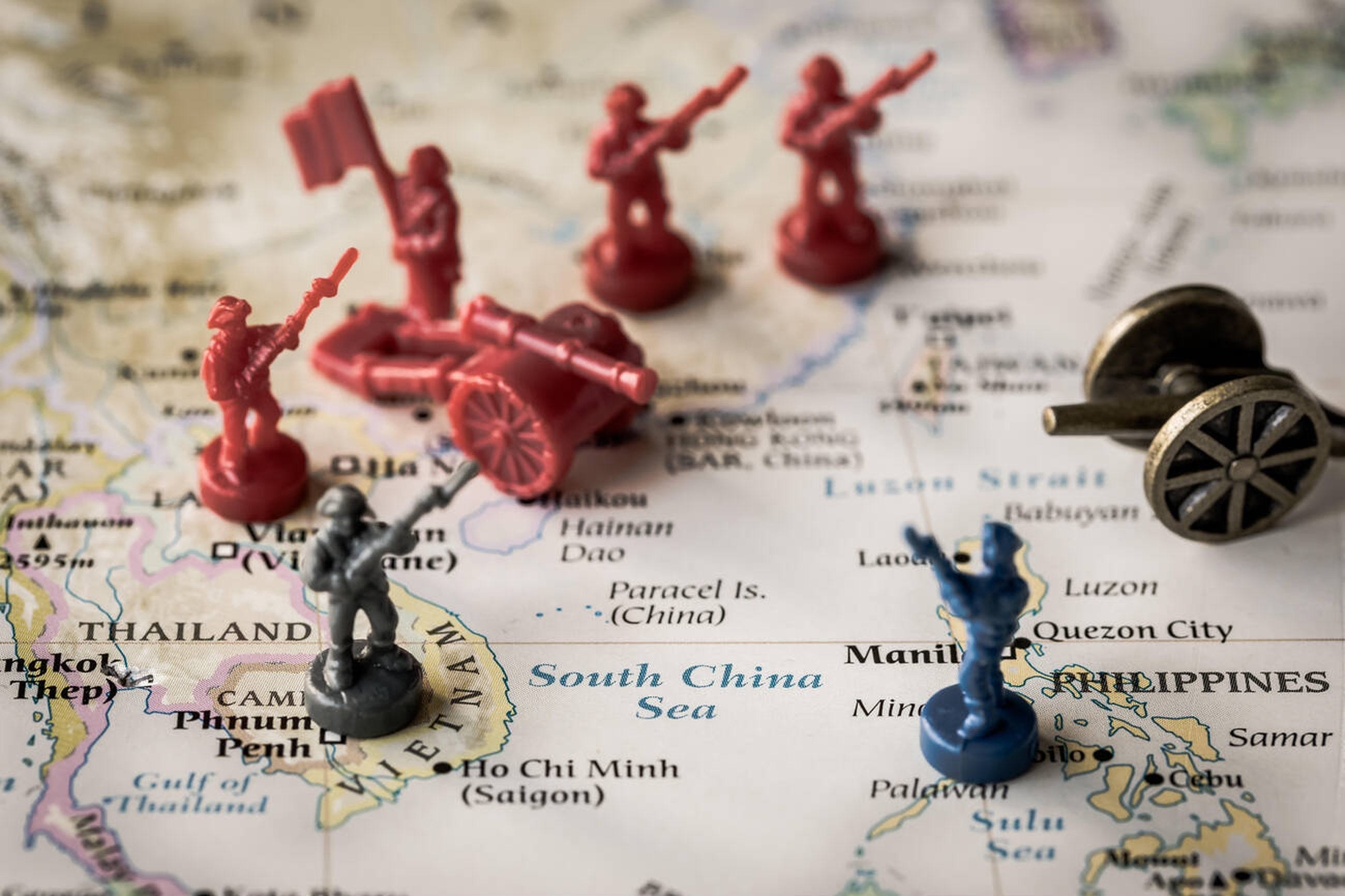
If Africa is the land of awakening and Latin America the continent of resistance, China is the empire of the oceans. Its fate is inseparable from maritime corridors, above all the South China Sea. Here lies the core of Beijing’s strategy: whoever controls this sea controls China’s trade lifelines, its access to resources, its very survival. The United States, aware of this, seeks encirclement, arming Taiwan, militarizing the Philippines, fortifying Guam, and weaving alliances from Japan to Australia under the “Quad” and AUKUS.
Yet China does not move hastily. Its Belt and Road Initiative builds not only railways across Asia and Africa, but ports across the Indian Ocean, from Gwadar in Pakistan to Djibouti in the Horn of Africa. Each port is a node of influence, a foothold for the future. In the Pacific, China’s overtures to the Solomon Islands and Kiribati signal a direct challenge to U.S. dominance. At home, Xi Jinping’s silence on the international stage since mid-2025 is less retreat than consolidation: China prepares, calculates, and waits.
Russia, driven eastward by sanctions, strengthens this maritime chessboard. Its naval exercises with China in the Pacific and its Arctic expansion show that Eurasian powers are no longer confined to land. The Pacific is no longer America’s secure domain. It is the ocean of tomorrow, where multipolarity will either be consecrated or crushed.
Russia and the Fragility of Europe
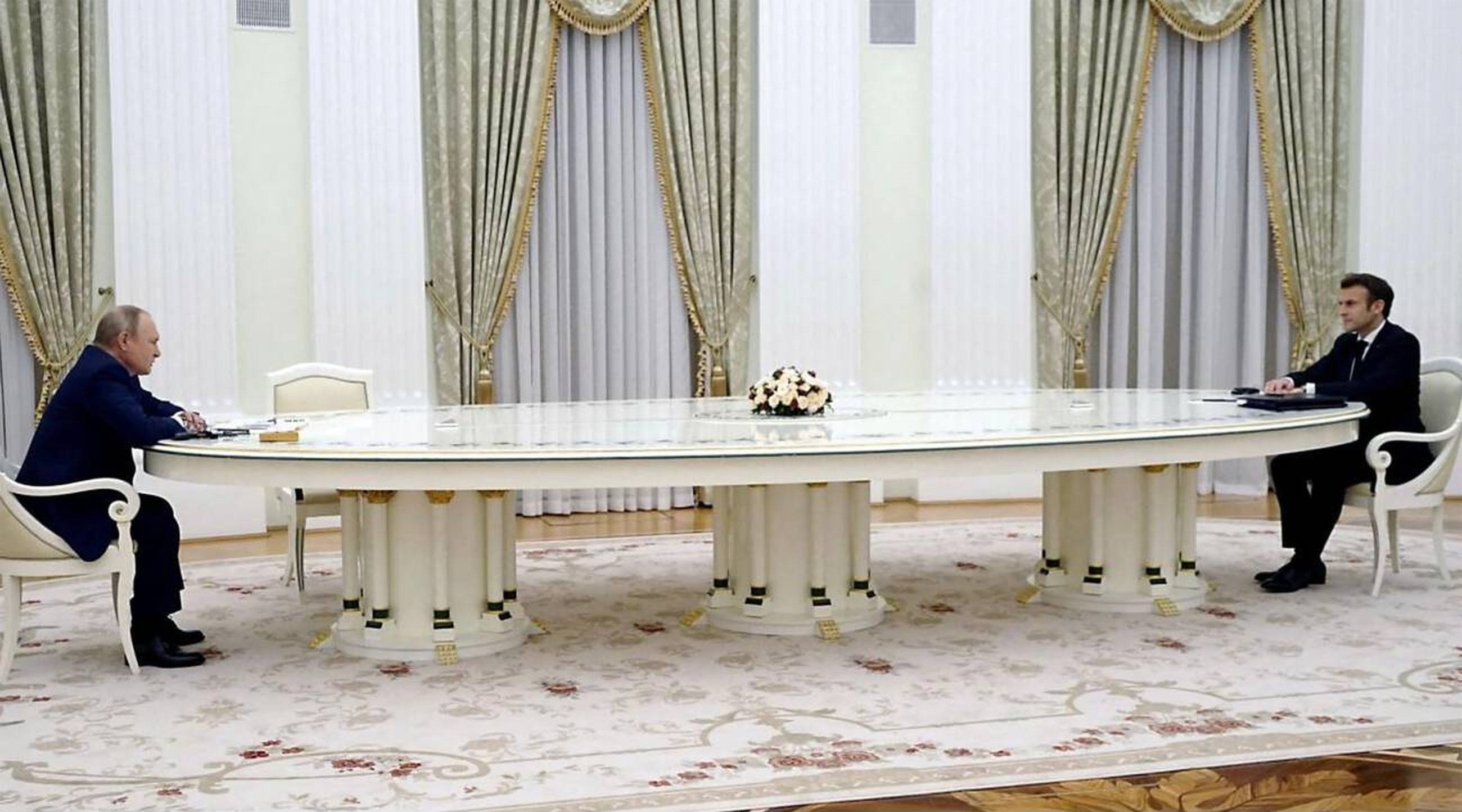
The war in Ukraine is often framed as Russia’s desperation, but in truth it reveals Europe’s fragility. For Moscow, Ukraine is both memory and necessity: the cradle of its civilization, the buffer against NATO, the proof that it will not be encircled without resistance. For Europe, however, Ukraine exposes dependency. Its industry collapses under the weight of energy sanctions, its politics fragment under pressure, and its sovereignty dissolves in the shadow of Washington.
Russia’s strength lies not only in its endurance but in its reach. In Africa, Wagner secures governments. In Latin America, Moscow forges alliances with regimes besieged by the West. In the Middle East, it partners with Iran to sustain the Axis of Resistance. Each move extends the battlefield beyond Ukraine, forcing the West into overextension.
Europe, meanwhile, is fractured. Germany cannot reconcile its industrial needs with its NATO commitments. France speaks of “strategic autonomy” but capitulates when challenged. Poland demands escalation but lacks the weight to lead. The European Union, once hailed as a civilizational project, now appears as a fragile treaty bloc, vulnerable to external shocks and internal nationalism. Russia does not need to conquer Europe militarily; it merely needs to sustain the war until Europe implodes under its own contradictions.
The return of Donald Trump amplifies this fragility. His disdain for NATO, his transactional admiration for Putin, and his unpredictability leave Europe paralyzed. If Washington abandons the continent, Europe is defenseless. If Washington bargains with Moscow, Europe is betrayed. Either way, Russia survives.
The Future of Multipolarity: Between Construction and Chaos
The story of our century is not the survival of one empire but the mutation of many. Africa rises from its marginalization, its Central regions shaping continental decision-making under Chinese and Russian patronage. Latin America resists recolonization, Venezuela standing as a defiant fortress against the Monroe Doctrine. China maneuvers through silence, building oceans of influence while awaiting its decisive moment. Russia bleeds but endures, destabilizing Europe not through conquest but through attrition.
Yet the danger of this transition is instability. Multipolarity is not automatically peaceful. It can produce convergence, where powers respect spheres of influence, or chaos, where every frontier becomes a battlefield. Central Africa can become the backbone of continental sovereignty, or it can remain a prize fought over by outsiders. Latin America can emerge as an autonomous bloc, or it can be fragmented by U.S. intervention. Eurasia can consolidate around a Sino-Russian axis, or it can collapse into rivalry.
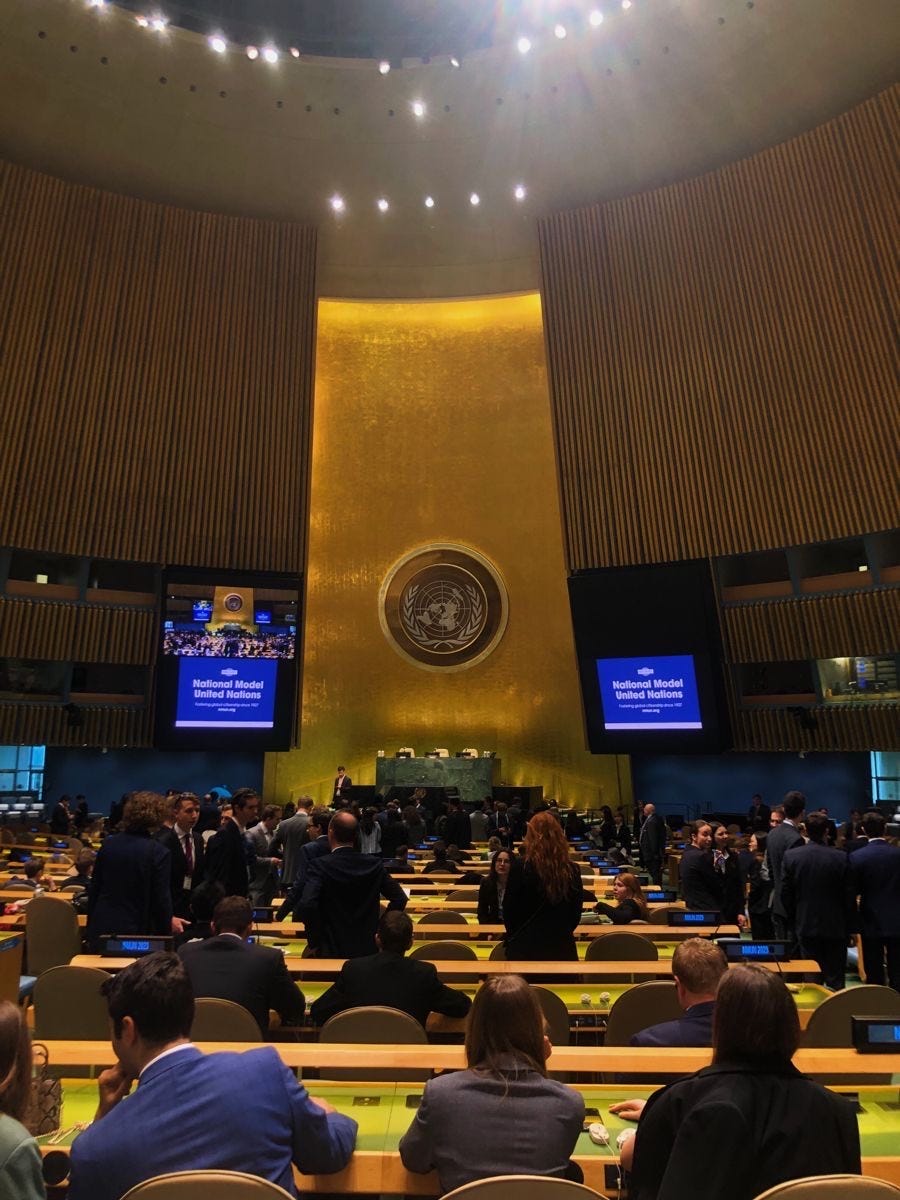
The truth is that the age of unipolar arrogance is over. What comes next is uncertain: either a new balance of civilizations or an era of permanent confrontation. The world is decentered, plural, fractured. And therein lies both its peril and its promise.
The Return of History
From Kinshasa to Caracas, from Moscow to Beijing, from the South China Sea to the Sahel, history has returned with force. Empires no longer collapse; they mutate. Nations no longer wait; they maneuver. The United States clings to supremacy but bleeds credibility. Europe proclaims unity but hides fragility. Africa and Latin America awaken, not yet free but no longer silent. Russia endures, China waits, and the oceans tremble with the battles to come.
The future is undecided. Multipolarity may deliver sovereignty to the forgotten, or it may unleash endless instability. But one truth cannot be denied: the unipolar order has died. The twenty-first century belongs not to one empire but to many civilizations, not to a single destiny but to the clash of futures. The question before us is not who will rule the world, but whether the world can survive its return to history.
The multi polar world is the only way to break the stranglehold from the parasites.